
Don’t Get Caught Up in a Tax Return Scam!

While we usually associate tax scams with the spring rush, tax-related identity theft is a year-round enterprise. Cybercriminals steal personal data months in advance, and many taxpayers don’t discover they’ve been targeted until the middle of the summer when unexpected notices drop into the mailbox.
To protect your household savings and your credit profile, you need to understand the two distinct ways a tax return scam plays out—and how to spot the warning signs before a predator traps your cash flow.
The Two Paths of Tax Return Fraud
In both scenarios, a fraudster gets their hands on your basic identifiers: your full legal name, Social Security number, and date of birth. Because tax software is completely automated, the scammer can completely fabricate your income, employers, and withholding details to generate a massive, fraudulent refund. From there, they take one of two paths:
Path A: The Direct Deposit Trap
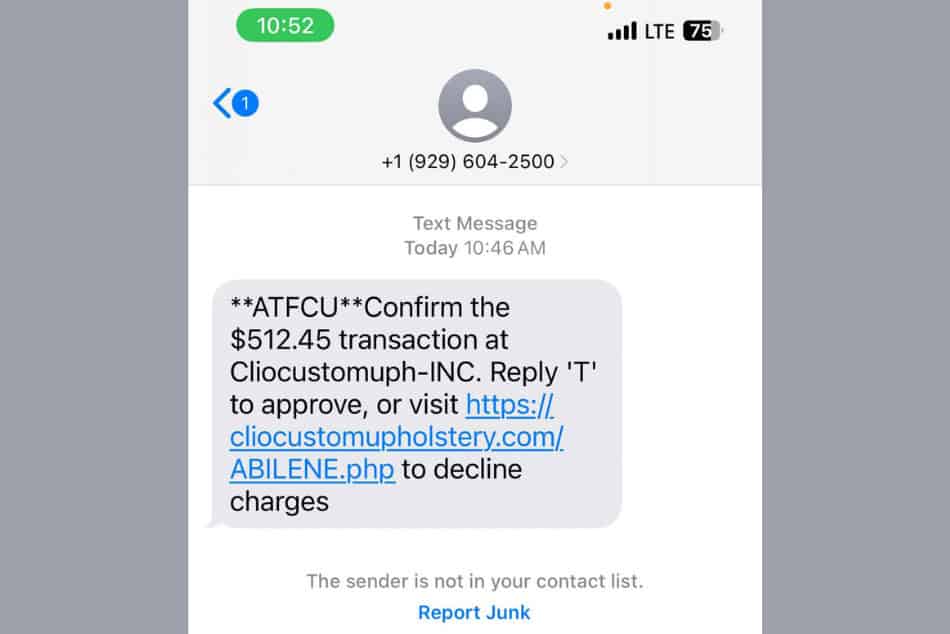
The scammer routes the fraudulent refund to be deposited directly into your real checking account. Once the cash hits your ledger, the scammer calls or texts you while impersonating an IRS agent. They will claim that your refund was “mistakenly inflated” by an accounting error and order you to immediately return the extra funds using wire transfers, cash apps, or retail gift cards. In reality, the IRS never operates this way—that money is going straight into the thief’s pocket, and you will be left legally liable to the government for the fraudulent return.
Path B: The Stolen Refund Blockade
Instead of using your account, the scammer routes your stolen refund straight into their own anonymous account layout. When you finally go to file your legitimate tax return, the IRS system will automatically reject your filing, informing you that a return has already been processed under your Social Security number and the refund has already been collected.
Unfortunately, these scams are relatively simple for fraud syndicates to execute. They don’t need access to your actual W-2 forms; they only need your baseline data. Often, these details are harvested from corporate data breaches, phishing emails, or even bad actors willing to sell basic employee identity rosters over the web.
Your Year-Round Defensive Shield
You can drastically limit your household’s vulnerability to tax identity theft by turning these four security ground rules into permanent habits:
- 🛡️ File as Early as Humanly Possible: The absolute best defense is speed. By submitting your legitimate tax forms early in the filing window, you automatically lock out scammers who try to use your Social Security number later in the season.
- 🛡️ E-File with Secure Connections: Only use a trusted, private computer and a secure home internet network to submit electronic tax returns. Never use public Wi-Fi at a coffee shop or hotel lobby to file your taxes or log into financial dashboards.
- 🛡️ Clean Up Your Digital Workspace: Once your taxes are successfully filed, move the digital PDF records off your computer desktop and onto an encrypted storage drive. Keep hard copies entirely locked down in a fireproof home safe.
- 🛡️ Bypass Unverified Hyperlinks: Never click links or download attachments from unsolicited emails claiming to offer tax protection or mid-year refund updates. These links routinely house malicious logging software designed to record your keystrokes and deliver your credentials directly to a hacker.
The Emergency Reaction Plan
If an unexpected refund check or direct deposit suddenly lands in your checking account out of nowhere, do not spend it, and do not wire it away. Take control of your profile immediately: Procedural handling of a fraudulent tax deposit. Order is critical to avoid financial loss and satisfy federal reporting guidelines.
- Leave the unexpected funds untouched in your checking account.
- Call the official, verified IRS customer service line directly at 1-800-829-1040 to look up your real account standing.
- Remember: the IRS will never demand that you settle a balance via a phone call, text message, or gift card transaction.
- If the online system confirms a fraudulent filing has blocked your real return, call our team at 325-677-2274 so we can place defensive alerts on your checking profile.
- Then, immediately notify the IRS Identity Protection Specialized Unit directly at 1-800-908-4490 to freeze the fraudulent file.
Because the scammers hold your Social Security number, you must treat this as total identity theft. Head straight to our central security index to access direct reporting links for the FBI and learn how to execute a free credit freeze across the three major bureaus: Fraud Resources.