
Born to be Wild
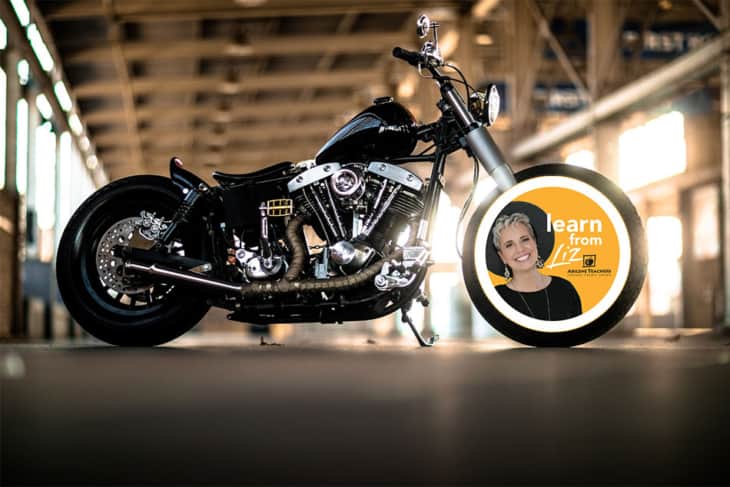
Surely everyone has heard the song “Born to be Wild” by Steppenwolf! Just imagine me singing this in my very best rocker voice…
Get your motor runnin’
Head out on the highway
Looking for adventure
In whatever comes our way
If you are ready for the wind in your hair and cruising down the highway, a motorcycle might be just up your alley. I have always wanted a motorcycle but am afraid I am too small to hold one up and control it!
When I was a kid, my dad, uncle, brother, and cousins all had motorcycles of some sort or another. I was just happy to ride on the back. My PawPaw would sometimes ride his motorcycle out to Noodle, Texas, where I grew up, and take me for a ride into Merkel for an ice cream from the DQ or just ride around the countryside. Those are some of my all-time favorite memories—with my arms wrapped around his waist and laying my head on his back.
If you’re ready to start making some of these memories for yourself, we’re here to help! I have compiled a step-by-step guide for buying a motorcycle, complete with useful tips to help you make a purchase you’ll enjoy for years to come.
1. Secure Your Financing First
A motorcycle can run you anywhere from $3,000 for a solid used starter bike to $25,000+ for a fully loaded touring model. It’s always best to have the financial details of a large purchase squared away before you start shopping so you can avoid disappointment later. You can save up for your bike, charge smaller gear purchases to a low-interest credit card, or take out a dedicated motorcycle loan from Abilene Teachers FCU for affordable interest rates and payback terms tailored to your budget.
2. Complete Your Mandatory Safety Training
Before you can legally hit the road, the State of Texas requires all riders to obtain a Class M license endorsement. To get this, completing an approved Motorcycle Safety Foundation (MSF) course is mandatory by law, regardless of your age or riding experience. This hands-on training ensures you can handle your bike safely, and completing it typically waives your formal DPS driving test and earns you a nice discount on your insurance premium!
3. Procure Your Required Insurance
Just like driving a car, motorcycle insurance is strictly required by law in Texas. You must carry minimum liability coverage (known as 30/60/25 coverage) to cover potential bodily injury or property damage to others. If you choose to finance your motorcycle through ATFCU, you will also want to budget for comprehensive and collision coverage to protect your new investment from theft, weather, or accidents.
4. Choose Between New and Used
- A used motorcycle can save you thousands of dollars upfront, but finding one in great mechanical shape takes a little homework. Try to avoid starter bikes with mileage exceeding 20,000 miles or ones that struggle to start, idle, or stop smoothly. It’s always a good idea to run a VIN check on a used bike and have it inspected by a trusted local mechanic.
- A new bike arrives in perfect condition but comes with a higher price tag. While you will save on immediate maintenance and repairs, keep in mind that insuring a brand-new bike will generally cost a bit more than coverage for a pre-owned model.
5. Pick the Perfect Motorcycle Style
Ready to pick your style? Here are the most popular options on the market today:
- Standard Bikes: Featuring an upright riding posture and simple layout, these versatile bikes are perfect for beginners and budget-conscious commuters.
- Cruisers: These tend to be a bit heavier, offering a low, relaxed riding position that is great for styling around town or weekend country rides.
- Touring Bikes: Built for the long haul, these large motorcycles are loaded with extra features like saddlebags for luggage, windshields, and extra-large fuel tanks.
- Sport Bikes: Engineered with a forward-leaning aerodynamic design, these high-performance bikes are a favorite for thrill-seekers but can get uncomfortable on long road trips.
- Dual-Sport Bikes: Lightweight and built with aggressive tire tread and high-travel suspension, these are designed to seamlessly transition from pavement to off-road trails.
6. Mind Your Ergonomics and Power
Unlike cars, a motorcycle’s seat height, handlebars, and foot pegs are largely fixed, so you need to find a bike that physically fits your frame. Make sure you can comfortably rest both feet flat on the ground when stopped to support the bike’s weight. Finally, if you are a brand-new rider, don’t go overboard on horsepower. It’s best to start with a manageable engine size (around 300cc to 500cc) and then trade up for something more powerful later on once your confidence grows.
Choose carefully, do your research, and you’ll enjoy your motorcycle for many happy, safe miles ahead. When you’re ready to get pre-approved and hit the highway, APPLY ONLINE, give us a call or stop by your favorite ATFCU branch!