
4 Scams to Watch Out for During Major Online Sales

Whether you are hunting for deals during mid-summer flash sales, checking off a back-to-school list, or gear-shopping for a family vacation, online shopping has become a daily routine. Unfortunately, major digital shopping events also spawn a massive season of highly sophisticated consumer scams.
Before you click “Add to Cart” on that next major discount, pull up your digital inspection lens and watch out for these four rampant shopping traps:
1. The Corporate Account Service Impersonation
In this scenario, a fraudster poses as a customer service representative from a massive digital retailer like Amazon. They will call or message you out of the blue to claim there is an urgent “problem” with your premium delivery subscription or recent order.
To fix it, the scammer will prompt you to download a seemingly harmless technical support app or utility onto your smartphone or computer. This is a remote-access trap. The second you install it, they gain full viewing control over your screen and will instruct you to log into your mobile banking layout so they can steal your credentials right out from under you.
2. Order Verification Phishing
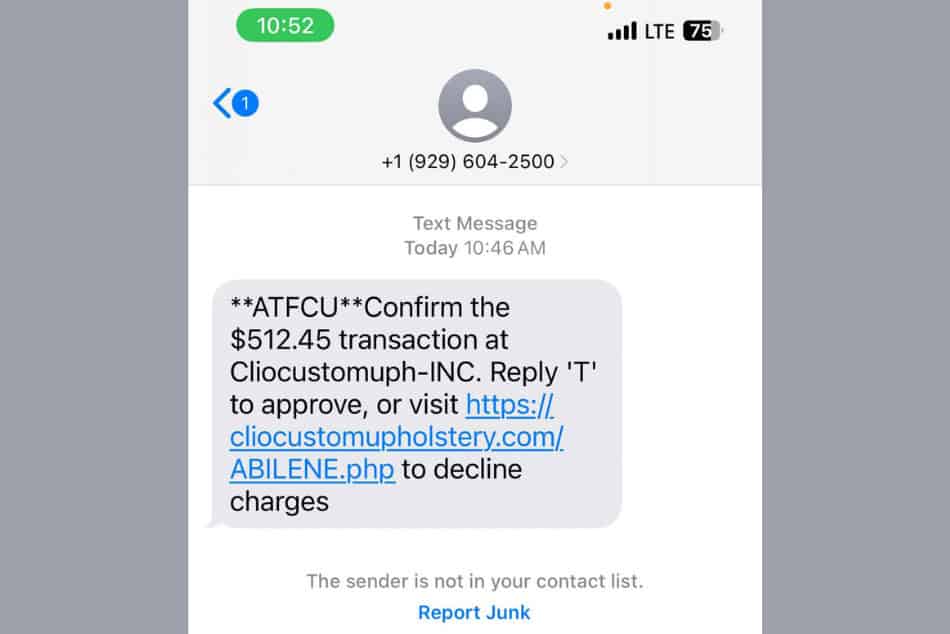
This trap lands directly in your inbox or text messages. You receive a highly polished, official-looking alert claiming you must urgently “verify your profile details” or “confirm a high-dollar purchase” that you have no memory of making. Out of sheer panic, many shoppers click the embedded blue link and type in their full billing details, delivering their data straight to a hacker’s database.
3. The “Delivery Issue” Text Trap
As packages fly across delivery networks, scammers blast out mass text messages pretending to be from UPS, FedEx, or the U.S. Postal Service. The text claims a package is permanently stalled due to an “incomplete address” or an unpaid “re-delivery fee.” Clicking the tracking link routes you to a fake domain designed to harvest your debit card digits and open the door to identity theft.
4. The Non-Delivery Marketplace Scam
This fraud occurs during peer-to-person retail transactions on social media marketplaces or unverified discount websites. A private seller list an incredibly desirable item at a crazy-low price. The second you send an electronic payment via an instant cash app or digital transfer, the seller deletes their profile, blocks your account, and completely vanishes—leaving you with an empty checking account and a package that will never arrive.
Your Digital Shopping Defense Manual
To enjoy the convenience of online shopping without walking a financial plank, turn these six safety ground rules into standard shopping habits:
- 🛑 Never Let an Inbound Call Drive Your Actions: Never provide your personal financial details or account passwords to an incoming caller. If a retailer claims there is an issue with your account, hang up completely. Navigate independently to their official website, log into your secure profile dashboard, and check your message center directly.
- 🛑 Recognize Our Local Verification Rules: Let’s be entirely frank—Abilene Teachers FCU employees will never call or text you out of the blue to demand your full digital banking password, your login ID, or the last four digits of your Social Security number to verify a transaction.
- 🛑 Audit New Retail Sites Thoroughly: When shopping with a brand-new online vendor, do a quick background check. Look for a verified physical corporate address, an active customer service telephone line, and review the site text carefully for weird spelling or grammar errors which indicate a rushed, fraudulent site layout.
- 🛑 Insulate Your Device Settings: Keep the built-in privacy and spam-filtering features on your smartphones and personal computers set to their highest restrictions to automatically block incoming phishing domains.
- 🛑 Bypass Unverified Tracking Links: Never click blind tracking hyperlinks embedded in unexpected text threads or unsolicited emails.
- 🛑 Let Logic Rule Your Wallet: Don’t let your heart overrule your head during a fast-paced flash sale. If an online deal looks entirely too good to be true, it is almost certainly a trap. Stick to reputable vendors who have an established consumer footprint to protect.
Protect Your Spending
If a recent online purchase leaves you feeling uneasy, or if you realize too late that you typed your card details into a suspicious web page, speed is your best defense.
Log into your ATFCU mobile app to instantly toggle your card “Off” in your Card Management screen, then call our local fraud specialists directly at 325-677-2274 or 800-677-6770. We are right here to lock down your profile, monitor your transactions and keep your hard-earned assets safe!