



Why are the prices so high now?
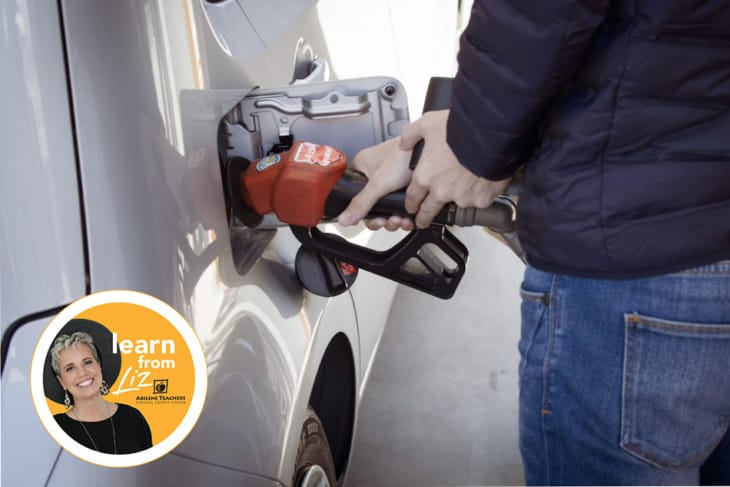
It is safe to say that the financial landscape looks vastly different today than it did just a few years ago. While it is wonderful to be traveling, enjoying family vacations, and heading out to community events, the price tags to get there and do all the things have climbed significantly.
Have you been asking yourself lately: “I’m trying so hard to stick to my household budget, but the totals at the grocery checkout and the gas pump are completely killing my mojo! What gives; why are prices staying so high?”
If so, you are absolutely not alone. We are navigating a sustained, high-cost economic cycle driven by several overlapping global and domestic factors. Here is a straightforward breakdown of what is driving the price tags, and exactly how to protect your household cash flow:
The Mechanics Behind the Grocery Bill
When you look at your grocery receipt and notice that your standard baseline items have scaled up, it is the result of three major economic pressures:
- The Domino Effect of Fuel: Almost everything sitting on a retail shelf got there on the back of a commercial diesel semi-truck. When fuel prices spike, the cost to transport raw ingredients to factories—and finished products to stores—skyrockets. Shipping companies pass those added logistics costs directly down the line to the consumer.
- Permanent Structural Labor Shifts: Over the last few years, the labor market underwent a massive, permanent shift. To attract and retain workforce talent in agriculture, manufacturing, and distribution, employers had to significantly raise baseline wages. To maintain their operational margins, corporations folded those higher wage requirements into the retail price of goods.
- Global Resource Constraints: From erratic weather patterns impacting domestic crop yields to shifting geopolitical tensions affecting international trade routes, the global supply of core agricultural commodities has tightened. When supply drops while consumer demand remains steady, prices naturally rise.
Why the Gas Pump Stings
Fuel price volatility continues to be a major hurdle for household budgets. The pricing of a gallon of gasoline is tied directly to the global market for crude oil, which fluctuates based on four specific levers:
- Global Supply and Demand Ratios: As populations grow and international transit networks run at maximum capacity, global energy consumption remains incredibly high. When demand consistently bumps up against global drilling production caps, the price per barrel climbs.
- Energy Policy Anticipation: Oil trading markets are heavily speculative. Whenever administrative shifts or regulatory changes hint at future restrictions on domestic drilling, pipeline projects, or leasing terms, global energy traders automatically price in a future “tightening” of the market, driving up crude prices in anticipation.
- Seasonal Market Swaps: The price of fuel naturally follows a seasonal rhythm. Every spring and summer, refineries are legally required to switch over to a more expensive, complex “summer-blend” gasoline designed to reduce smog. This switch, paired with peak summer road-trip travel demand, consistently drives pump prices higher during the warmer months.
- The Value of the U.S. Dollar: On the international stage, crude oil is priced and traded exclusively in U.S. dollars. When the dollar experiences a period of relative weakness or inflation against global currencies, it takes more individual dollars to purchase the exact same barrel of oil, making fuel inherently more expensive for American drivers.
How to Reclaim Your Budgetary Mojo
Unfortunately, as private consumers, we cannot single-handedly fix global supply chains or adjust international energy policies. However, as a household, you have total control over how you manage your internal defensive perimeter.
You can insulate your wallet from inflation using these three tactical adjustments:
1. Execute a Reality-Based Budget Tweak
Stop trying to force your household to survive on a grocery or fuel allocation that was calculated three years ago. If you are consistently spending $50 over your target column every single week, it’s time to face the data. Sit down, accept the current baseline, and formally increase your grocery and fuel categories. To keep your cash flow balanced, offset those increases by trimming non-essential, discretionary categories like subscription lines or entertainment spending. (Ready to rebuild your columns? Use our framework: Step 2: Creating a Budget!)
2. Deploy West Texas Driving Strategies
In a sprawling community like Abilene, walking or taking public transit to work usually isn’t a realistic option for active, busy families. Since driving is a necessity, change how you drive:
- Linear Errands: Stop running individual, point-to-point trips across town throughout the week. Combine your errands into a single, pre-planned loop to slash your total weekly mileage.
- Fuel Rewards & Apps: Leverage free digital tools like GasBuddy to track the lowest prices in town before you leave the driveway, and link your debit card to grocery store fuel reward programs to shave cents off every gallon.
3. Outsmart Food Inflation
Lean heavily into cost-saving procurement habits. Shop your local grocery sales cycles, embrace digital coupon clipping inside store apps, and buy shelf-stable items your family uses daily in bulk. Most importantly, build your weekly meal plan around what is already sitting in your freezer to completely eliminate costly food waste. (Read my personal story about surviving a $250 weekly Walmart run with two teenage boys here: Step 12: Review and Tweak!)
Sustained high prices can feel incredibly exhausting, but your financial health doesn’t have to take a backseat. By taking proactive control of your tracking, adjusting your targets to match current realities, and utilizing our free digital cash-management tools inside online banking, you can confidently keep your household moving forward!