



Essential Tools for Every Homeowner
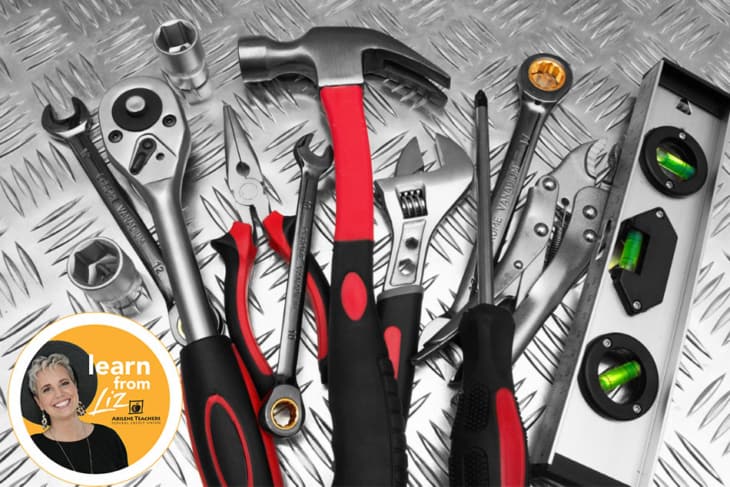
Many homeowners have dozens of tools lying around their garages, yet they can never seem to find the exact wrench they need at the right moment!
Whether you are deep into a DIY project, planning a major renovation, or just trying to assemble a new bookshelf, a structured toolbox is non-negotiable. This list is designed for everyone—from first-time homebuyers to longtime residents like me (I’ve owned my house for nearly 16 years and still don’t have every gadget I need!).
I really enjoy building things and putting furniture together. In fact, I’ve assembled most of the furniture in our house simply because I want it done immediately and get too impatient to wait for my husband! While I usually need to borrow his gear to get something started, I can only imagine the complex projects I could start if I had my own dedicated set of POWER TOOLS!
For the new homeowner, moving day is often followed by a massive shopping list—from welcome mats to window treatments to… necessities like plungers. As you browse home décor and wall hangings, do not forget to stock up on the foundational tools you’ll need. To guide your shopping, I compiled this ultimate homeowner’s checklist for every skill level. Happy fixing!
Phase 1: The “Must-Have” Basic tools
- Claw Hammer: From hanging family photos to securing a loose railing, a sturdy hammer is your go-to tool for nearly every basic household repair. Consider eventually adding a smaller, lightweight “pin hammer” for delicate jobs.
- Screwdriver Set: Do not sell yourself short here. Invest in a robust set that includes multiple sizes of both flat-head and Phillips-head tips. You can pick up a versatile set of 10 at your local hardware store—just be sure to map the purchase into your personal Banzai! budgeting simulator first to see how it impacts your bottom line!
- Pliers Set: Here, too, a variety pack is your best bet. Look for reliable pairs with comfortable, cushioned handles sized well for your hands.
- Adjustable Wrench: This vital tool allows you to tighten or loosen virtually any bolt or pipe fixture without needing a separate fixed wrench for every millimeter.
- Allen Wrench Set (Hex Keys): A basic universal set costs very little but will save you immense aggravation anytime you order a piece of “ready-to-assemble” furniture that includes those tiny L-shaped bolts.
- Utility Knife & Tape Measure: Keep a razor-sharp box cutter on hand for opening packages or trimming materials. Pair it with a retractable, durable 25-foot tape measure to ensure any new furniture or wall shelving fits perfectly into your space. Counselor Tip: Get a small pocket-sized tape measure to bring with you to the store, too!
- Fundamental Hardware: Keep a simple plastic organizer stocked with a generous selection of common screws and nails in case you need to fix something in a hurry.
- The Rest of the Basics: Don’t forget a dependable handsaw for basic lumber trimming, a classic bubble level to keep your picture frames straight, an advanced flashlight for power outages, and at least one high-quality, long-gauge indoor/outdoor extension cord.
Phase 2: “The Next Step” (Intermediate Tools)
Once you fill your basic toolbox and get more comfortable tackling intermediate home repairs, consider adding these clever additions to your defensive line:
- Stud Finder: This simple, ingenious tool prevents you from drilling unnecessary test holes or hitting hidden electrical lines when trying to secure heavy items to your drywall.
- Counselor Note: I already have a pretty good built-in stud finder at home—I did marry Juston Gray, the biggest stud around!
- Cordless Drill: This is an absolute game changer. A high-quality drill has dozens of foundational uses and is essential if you ever get into light construction or woodworking.
- Safety Gear: Do not use power tools without protecting your senses! Invest in quality safety goggles, ear plugs or noise-canceling muffs, and dust masks before pulling the trigger.
- Intermediate Cutters: Add a specialized hacksaw for cutting through plastic pipes, metal conduit, or thin tubing. Pair it with a dependable wire stripper—essential for the committed DIYer working with aluminum, copper, or brass wiring.
- C-Clamp & Putty Knife: Use a simple clamp to hold wood projects securely in place. Use a flexible putty knife for applying spackle, removing old paint flakes, or grouting tile backsplashes.
Phase 3: “Advanced” (The Power Plays)
If you are exceptionally handy and find yourself regularly sketching out custom projects, these are the heavy hitters that belong in your woodshop:
- Power Sanders: Take the manual labor out of finishing your woodwork. For the best results, you may want to eventually invest in specialized tools like a random orbital sander (ideal for basic furniture) and a rotary sander (best for clean edge work).
- Table Saw: This massive, mounted power saw is the workhorse of any dedicated woodshop. A table saw can rip, cross-cut, miter-cut, and perfectly square massive planks of lumber.
- (Design Note: This is the tool I want most! I could make all kinds of incredible things.)
Control Your Cash Flow with ATFCU
Building your dream toolbox is an investment in your home’s stability and value. As you explore the aisles of your favorite home improvement store and check items off your list, remember that the most important tool you have is your financial dashboard.
Log into your ATFCU mobile banking app regularly to monitor your balances and track these specific purchases. Our integrated money management tool helps you categorize your household spending automatically, ensuring your budget always stays as well-built as your latest DIY masterpiece. Happy building!